Kerlink iStation Gateway Review
Why Kerlink iStation Matters for Production Deployments
The Kerlink iStation represents what industrial-grade LoRaWAN hardware should be. I've deployed these gateways in production environments over the past seven years, and units I installed years ago are still running without issues.
The price point sits at around 600 EUR depending on your configuration, which makes some clients hesitate. What that investment buys you is an IP67-rated gateway that operates reliably from -40°C to +60°C, year after year. When you're deploying permanent infrastructure and the cost of a site visit to replace a failed gateway exceeds the price difference between consumer and industrial hardware, the economics become clear. I've seen clients spend more on truck rolls to fix cheap gateways than they would have spent on a Kerlink in the first place.
Technical Specifications That Actually Matter
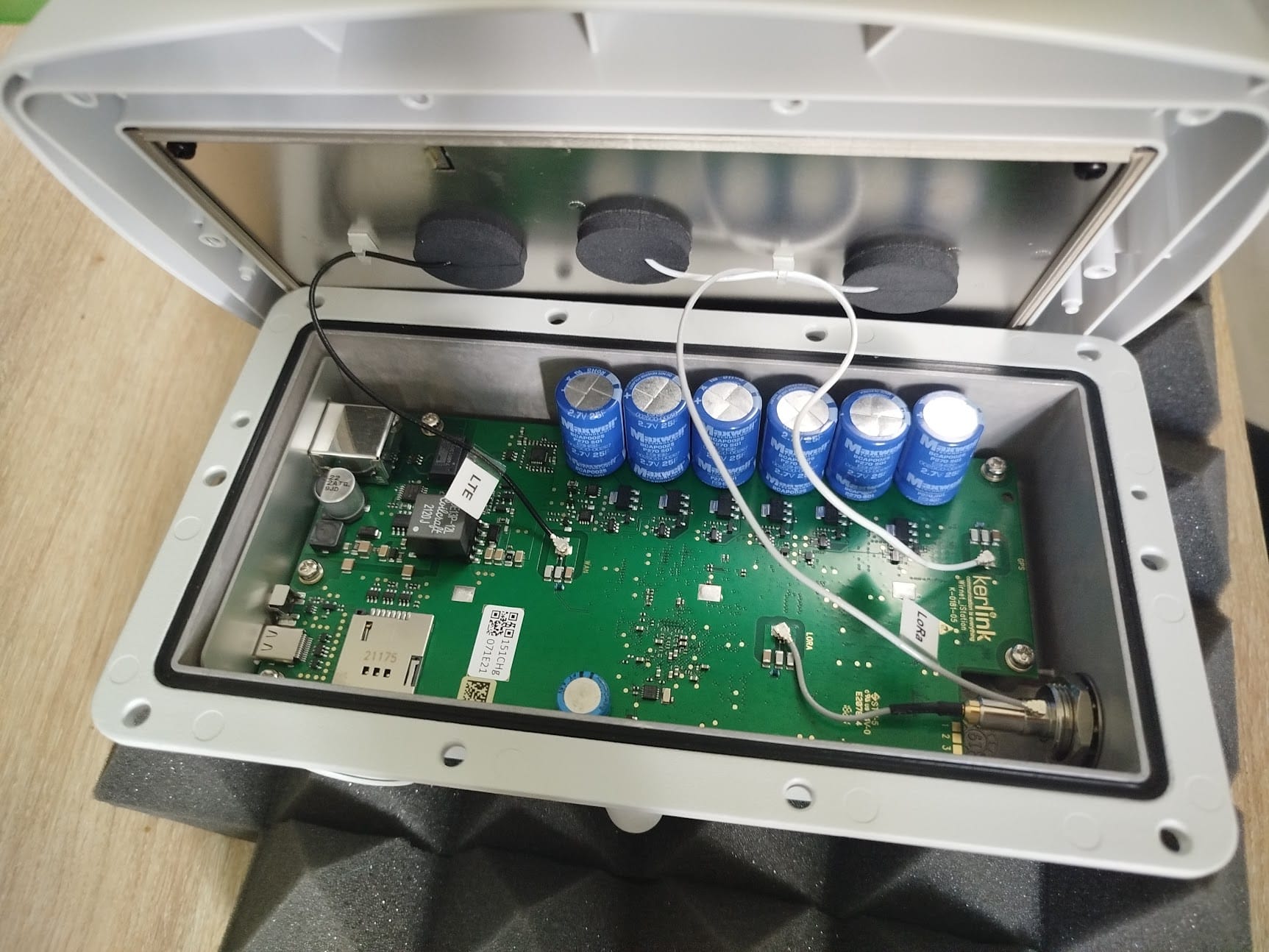
Ethernet with PoE remains the gold standard for reliability and simplicity. The integrated 4G cellular module provides true deployment flexibility for remote locations where running Ethernet isn't economically viable. I've used this extensively for agricultural and environmental monitoring sites. You choose one backhaul option during configuration.
The iStation also includes a fully integrated GPS antenna and receiver for accurate time synchronization (PPS), which is required for Class B beacon scheduling.
On range, expectations need setting carefully. While LoRaWAN remains the best LPWAN technology for range, actual coverage depends entirely on terrain and environment. Flat terrain with line-of-sight can achieve impressive distances, but hilly terrain, dense urban areas, or any obstruction can drastically reduce coverage. The iStation's excellent receiver sensitivity helps maximize range in any conditions.
What Makes the iStation Stand Out
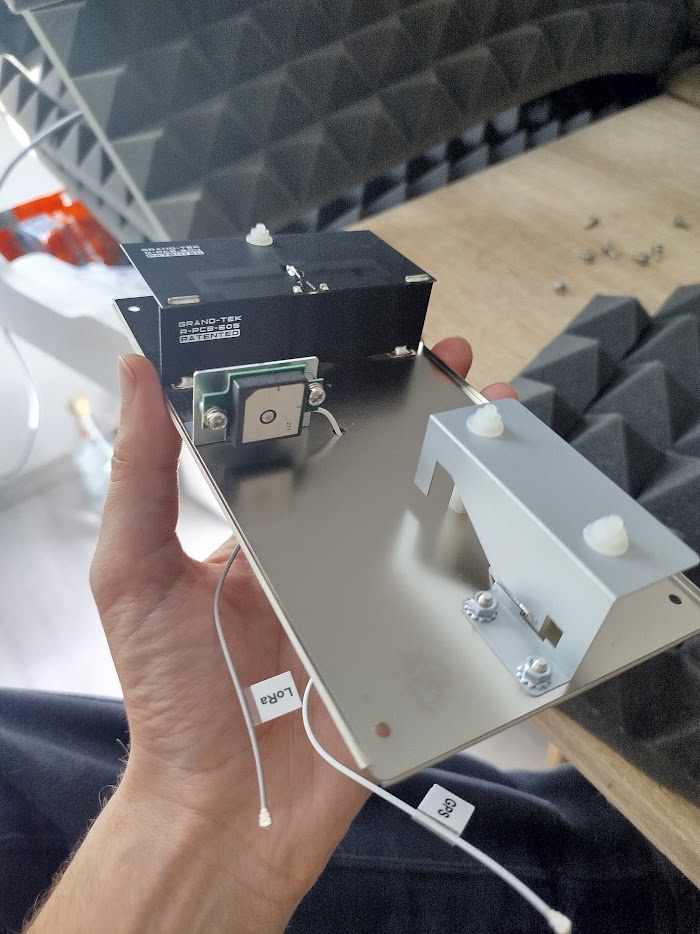
The robust enclosure is a reliability requirement, not a cosmetic choice. Where consumer gateways use flimsy plastic housings and RP-SMA connectors that fail under environmental stress, the iStation uses N-type connectors (the professional standard) and a sealed chassis designed for permanent outdoor installation. The antenna radome is rugged polymer while the main body is solid cast aluminum.
The antenna arrangement is the cleverest part. The built-in internal antenna is completely sealed inside the gateway with no exposed components to corrode or fail. The performance of this internal antenna is genuinely impressive; it delivers excellent coverage for most deployments while completely eliminating the primary failure point in outdoor installations: the external antenna and its connectors.
Here's the engineering detail that impressed me: the Type N connector includes an automatic hardware switch. When you connect an external antenna, the gateway physically switches from internal to external, with no software configuration required. This means you can deploy with the internal antenna for maximum reliability, then upgrade to a high-gain external antenna later when you need extended range, without touching any configuration settings. The system just adapts.
Sensitivity is where the money goes. The -140 dBm figure on SF12 captures weak signals that consumer-grade gateways simply miss. This becomes critical when you're deploying battery-powered sensors configured for maximum power efficiency. The difference between -137 dBm and -140 dBm sensitivity translates directly to extended battery life or increased range, often both.
On compatibility, the iStation works with every major network server platform I've encountered: ChirpStack, TTN, AWS IoT Core, Actility, Loriot, and custom deployments. It implements the standard packet forwarder protocol correctly, which means you're not locked into a specific vendor's ecosystem.
Remote management is thorough enough to matter operationally. Full SSH access, web interface, and SNMP monitoring capabilities mean you can manage these gateways remotely. I routinely update firmware, check packet statistics, verify GPS synchronization, and monitor system resources without requiring site visits. This matters significantly when you're managing gateways deployed across multiple locations.
Realistic Limitations
The price is the obvious one: at around 600 EUR the iStation costs 2-3× more than a consumer gateway in the 200 EUR range, a premium that's hard to justify for a small deployment or a proof-of-concept, and one that only pays off on permanent infrastructure where reliability drives operational cost. There's also a configuration learning curve, since the web interface is built for technical users rather than plug-and-play, with advanced setup living on the SSH command line; if you're used to wizard-driven consumer gateways, expect to invest time, which is exactly where someone experienced in Kerlink deployments saves you weeks. On the physical side, the 1 kg weight is compact for an industrial unit but still needs proper mounting hardware, not adhesive tape (if mounting weight is your main constraint, the 240 g Wifx L1 takes the opposite approach). And on power, its typical 3.5 W draw sits mid-range, above ultra-low-power gateways at 1-2 W and well under heavy industrial units at 10 W or more, a reasonable target for solar that doesn't demand an oversized array.
Where the iStation Excels
Its natural home is permanent outdoor installation: rooftop city-wide coverage, utility poles across agricultural land, industrial sites running continuously for years, where the mix of environmental protection and remote management keeps maintenance practical even when physical access is awkward. It thrives in harsh conditions, too, coastal sites lean on its salt-spray resistance, desert deployments on the -40°C to +60°C range, and mining and industrial operations on the dustproof IP67 enclosure, and these aren't marketing lines, I've verified them in the field. It earns its place in mission-critical applications like water and gas metering, where downtime hits revenue collection, and industrial monitoring, where packet loss means production problems, cases where the cost of failure dwarfs the hardware. And for remote sites, the integrated 4G backhaul with 3G/2G fallback removes the need for Ethernet entirely, which is how I've run solar-powered iStations on cellular for agricultural and environmental monitoring far from both grid power and network infrastructure.
Deployment Guidelines Based on Field Experience
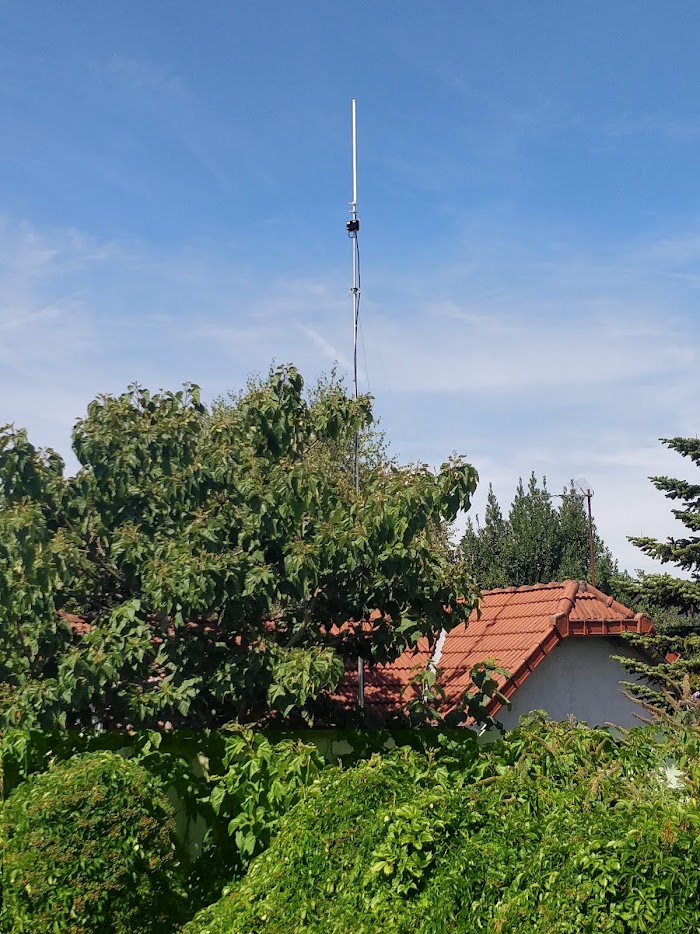
Height is your most effective tool for extending coverage. Every meter of elevation improves your link budget significantly. Rooftop installations consistently outperform wall-mounted units. When possible, I target utility pole mounting at 10-15m height for maximum coverage; this single factor often determines whether a deployment succeeds or requires additional gateways.
On antennas, the internal one delivers excellent performance and works extremely well for many production deployments. I've achieved reliable 5-10km coverage in rural areas using only the internal antenna. For installations where you need maximum range, external 6-8dBi omnidirectional antennas extend coverage further. Sector coverage or point-to-point links benefit from directional antennas in the 12-15dBi range. The intelligent antenna switching means you can start with the internal antenna and upgrade later without reconfiguration; the gateway detects the external antenna automatically.
For power, PoE injection simplifies installation by delivering both power and data through a single cable run. For critical deployments, backup power through UPS or battery systems prevents network outages during power failures. Remember that gateway failure affects every device in range, and the cost of downtime often exceeds the cost of proper backup power.
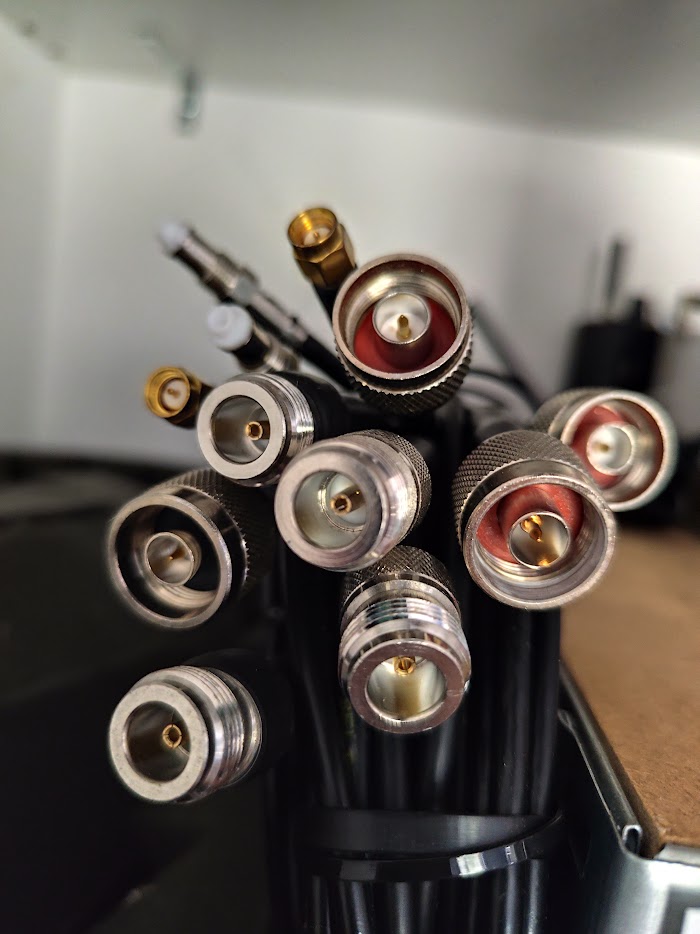
Weatherproofing is the last step and the one most often skimped. Use self-amalgamating tape to seal the Ethernet cable tight in the cable gland, and around the N-type connector if using an external antenna. This prevents moisture ingress which is the main cause of connector failures in outdoor installations.
The Bottom Line
Skip the iStation for temporary deployments, proof-of-concept work, or hobbyist projects, a 200 EUR consumer gateway serves those fine, and the configuration depth only slows a quick prototype. Choose it for permanent infrastructure, where the build quality spreads that initial cost across a 5+ year lifespan and fewer service calls, less downtime, and proven reliability tilt total cost of ownership toward industrial hardware. And treat it as essential for anything mission-critical, utility metering, industrial monitoring, where a failed gateway has direct financial consequences: once you price in lost data, emergency truck rolls, and operational disruption, the gap to a consumer alternative becomes trivial. Where reliability is non-negotiable, the iStation delivers the consistency that justifies its premium.
Need Help With Your LoRaWAN Deployment?
Choosing between a 600 EUR industrial gateway and a 200 EUR consumer one is really a question about your deployment: how remote the sites are, what downtime costs you, and who will maintain it all in year four. Those are the questions I help clients answer before they buy, along with the network design, configuration, and training that come after.
Talk to an expert about your gateway selection.
Working on a LoRaWAN project?
If this article touches on something you're building, tell me about it. The first conversation is free, and you'll get an honest read on the right approach for your situation.
Book a Free ConsultationCurious what the finished thing looks like? Open the live demo dashboard