Multitech Conduit Gateway Review
Why Multitech Conduit Still Matters
The original Multitech Conduit shipped in 2016. Units I installed back then are still running, with no failures and no replacements. The newer Conduit 300 Series (MTCDT3AC) adds 16-channel LoRaWAN, Docker support, and dual Ethernet while keeping that same rugged build.
This is the most robust LoRaWAN gateway line you can buy. It isn't the cheapest or the lightest, and the premium pricing reflects the durability. When gateway failure simply isn't an option, when you're deploying somewhere remote and can't afford to send a technician back in two years, this is what you choose.
Hardware Build
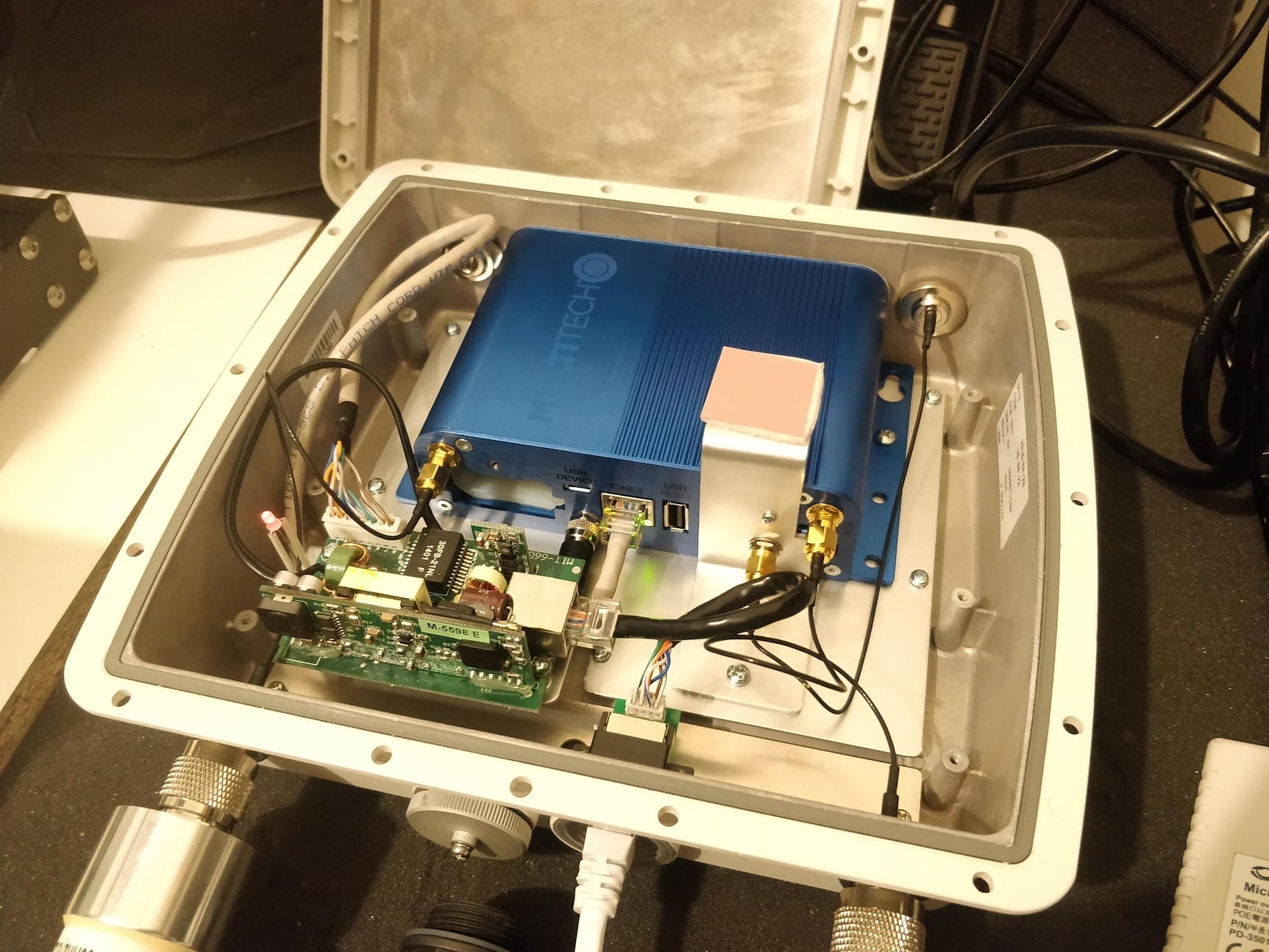
The enclosure is IP68-rated, dust-tight and waterproof enough to survive submersion (though you shouldn't test that), and it's metal rather than plastic, built to sit outdoors for years. It operates from -40°C to +70°C, so desert heat and arctic cold are both within spec. Mounting is flexible: DIN rail for indoor panels, a pole-mount kit for masts, or standard brackets for walls.
Connectivity Options
On the LoRaWAN side, EU868, US915, and AS923 regional versions cover most global deployments, the standard 8-channel configuration handles typical networks, and 16-channel variants add capacity for high-density sites. It works with ChirpStack, The Things Network, AWS IoT Core, and every other major network server through the standard Semtech packet forwarder.
For backhaul, Ethernet is the most reliable link and always the first choice where it's available; cellular modules (3G/4G) add cost but enable remote sites with no wired internet; and while some models include Wi-Fi, it's less reliable than Ethernet and not suited to production where uptime matters.
Beyond that, a GPS module provides the time synchronization Class B beacon scheduling needs, Bluetooth allows local configuration without network access during setup or troubleshooting, USB ports take 4G dongles or custom peripherals, and digital I/O connects external sensors or control systems, turning the gateway into a lightweight edge computing platform.
What's Good
Reliability is the headline: units from 2016-2017 are still running, and Multitech supports old hardware reasonably well with firmware updates available for years after purchase. The design is modular, so you can swap LoRa cards to change region or add a cellular module later. Configuration is flexible, a web interface for basic setup, SSH for advanced work, and Node-RED pre-installed for processing data at the gateway edge. And compatibility is a non-issue, since the standard Semtech packet forwarder means it works with essentially every network server.
On raw performance it holds up to dense deployments, handling thousands of devices on a single gateway without packet-processing bottlenecks, and running for years without needing a reboot, which is why high uptime is common in continuous production use. Range is ordinary-good for LoRaWAN, urban coverage limited by buildings, rural line-of-sight reaching much further, adequate concrete-and-brick penetration for most buildings, and as always, field testing reveals real coverage far better than any estimate.
What's Not Great
The obvious cost is price: the industrial build and proven reliability command a premium over less rugged alternatives, and while that's justified when durability is the priority, it's genuinely expensive where budget matters more. It's also more complex than a plug-and-play gateway, with a functional but dated web interface and SSH required for advanced features, and it's physically larger than modern compact gateways, overkill for a small indoor deployment. Finally, the original MTCDT design dates from 2016; the Conduit 300 Series addresses that with modern specs while keeping the rugged build.
Model Variants
The original MTCDT is the 8-channel, IP67 unit that built the range's reputation for reliability since 2016. The MTCDT3AC, sold as the Conduit 300 Series, is the modern successor: 16 channels, Docker and container support, dual Ethernet, mPower Edge Intelligence and considerably more processing headroom. The MTCAP is the compact indoor model, pairing LoRaWAN with Wi-Fi for deployments that never see weather.
Deployment Notes
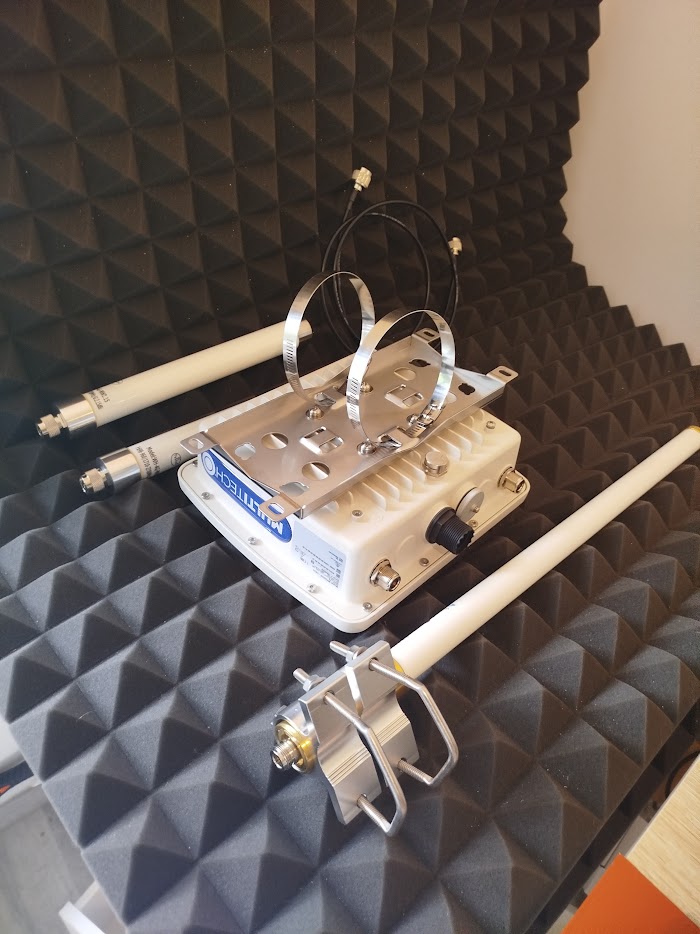
Placement follows the usual rule: height beats power, so rooftop mounting at 10-15 m outperforms a ground-level install with a high-gain antenna. Prefer Ethernet backhaul, keep cellular as backup for critical sites, and avoid Wi-Fi in production. PoE simplifies installation, and a UPS is worth it for utility metering or industrial monitoring where downtime costs money. Once it's up, enable SNMP, set packet-loss alerts, check gateway stats at least weekly, and reboot if packet loss climbs above 5%.
Worth It?
For a hobbyist, no, it's too expensive and too complex, and a consumer gateway is plenty. For industrial or commercial permanent installations, yes: the proven reliability and robustness justify the higher cost and deliver better long-term value than cheaper gateways that fail in 2-3 years. And for mission-critical networks in harsh environments, absolutely, since nothing else on the market matches its build quality and weather resistance. When extreme robustness is the requirement, this is the gateway.
What I Provide
I help clients choose gateways based on the deployment rather than the other way around: network architecture for single or multi-gateway sites, configuration of the Conduit or whichever hardware fits better, and network server integration with ChirpStack, TTN, AWS IoT Core, or a commercial platform, along with coverage planning, RF site surveys, troubleshooting, and monitoring setup. The configuration files, documentation, integration code, and dashboards are yours afterwards, with no vendor lock-in or platform dependencies.
I don't sell hardware or push specific brands. I evaluate your deployment requirements, environment, coverage, budget, and reliability demands, and recommend the right gateway, then configure the network infrastructure and software stack into a reliable LoRaWAN network that meets your operational needs.
Working on a LoRaWAN project?
If this article touches on something you're building, tell me about it. The first conversation is free, and you'll get an honest read on the right approach for your situation.
Book a Free ConsultationCurious what the finished thing looks like? Open the live demo dashboard