LoRaWAN Cold Chain Monitoring: Pharmaceuticals and Food Safety
Why Cold Chain Monitoring Matters
Vaccines lose potency outside a narrow temperature range. Pharmaceuticals degrade when they get too hot or freeze. Frozen food that thaws and refreezes becomes a safety risk that's invisible to the end consumer. Blood products are unusable after a single excursion. And the cost runs well past the lost inventory itself, into recalls, liability claims, and wasted resources.
Manual logging leaves gaps where exactly these problems hide. The technician checks at 9am and 5pm; the compressor fails at midnight. A door seal degrades gradually, letting warm air seep in between spot checks. Paper logs get transcribed with errors, and by the time you find the problem, the inventory is already gone.
Continuous LoRaWAN monitoring closes those gaps. It catches an equipment failure within minutes instead of surfacing spoiled stock hours later, builds the audit trail automatically instead of by hand, and alerts the right person the moment a temperature drifts, while there's still time to act.
Getting the Temperature and Humidity Reading Right
Accuracy has to match the product. Vaccines often need 2-8°C held to ±0.5°C, frozen pharmaceuticals require -20°C or colder, refrigerated food typically sits at 0-4°C, and blood banks maintain specific temperatures per compartment. Understanding those requirements drives sensor selection, because a highly accurate calibrated sensor costs more than a general-purpose one, and regulatory compliance or product safety is often what justifies the precision.
Where you put the sensors matters as much as which ones you choose. A single sensor can't capture the thermal gradient inside a refrigerator, freezer, or cold room: the warm spot by the door differs from the cold zone near the evaporator, and top shelves often run warmer than the bottom. Multiple sensors reveal the real distribution instead of assuming uniformity, and critical storage, vaccine fridges, blood banks, pharmaceutical warehouses, benefits from redundancy that catches a localized failure single-point monitoring would miss. Humidity often belongs in the picture too, since some pharmaceuticals absorb moisture and lose efficacy while others need a specific range for stability, and freeze dryers and climate-controlled warehouses hold humidity alongside temperature. Logging frequency is the last dial: critical pharmaceutical storage might log every few minutes for fine resolution, food storage can accept longer intervals, and the trade is always resolution against battery life and data volume, with critical applications justifying frequent logging and mains power while lower-risk monitoring lives happily on longer intervals and batteries.
Alerts That Actually Reach Someone
Detection is only useful if it triggers a response, so define acceptable ranges per space and layer the alerts. Low-priority warnings flag a temperature approaching its limit; high-priority alerts fire the instant a product enters the danger zone. Different products in one facility need different thresholds, vaccines versus frozen food versus refrigerated produce, so configuration is zone-specific.
Then the alert has to find a person. An initial notification goes to the primary contact by SMS, email, or push, and if it isn't acknowledged within a set window it escalates to backup staff, continuing down the list until someone responds, because a midnight failure can't wait for business hours. Two more signals make the picture complete. Door monitoring with magnetic contact sensors catches a walk-in left open, generating an alert past a normal access period (say two minutes for a cooler, five for a warehouse) and, combined with temperature, distinguishing an equipment failure from a propped door. And because refrigeration stops during a power cut, a monitoring system on battery backup keeps reporting when mains power drops, so an immediate alert lets staff move inventory, roll out a generator, or prioritize repairs before the temperature climbs. Beyond outright failures, a slow steady rise is itself a signal, hinting at a failing compressor, a refrigerant leak, or a condenser problem, and flagging it early turns an emergency repair into scheduled maintenance.
Batteries in the Cold
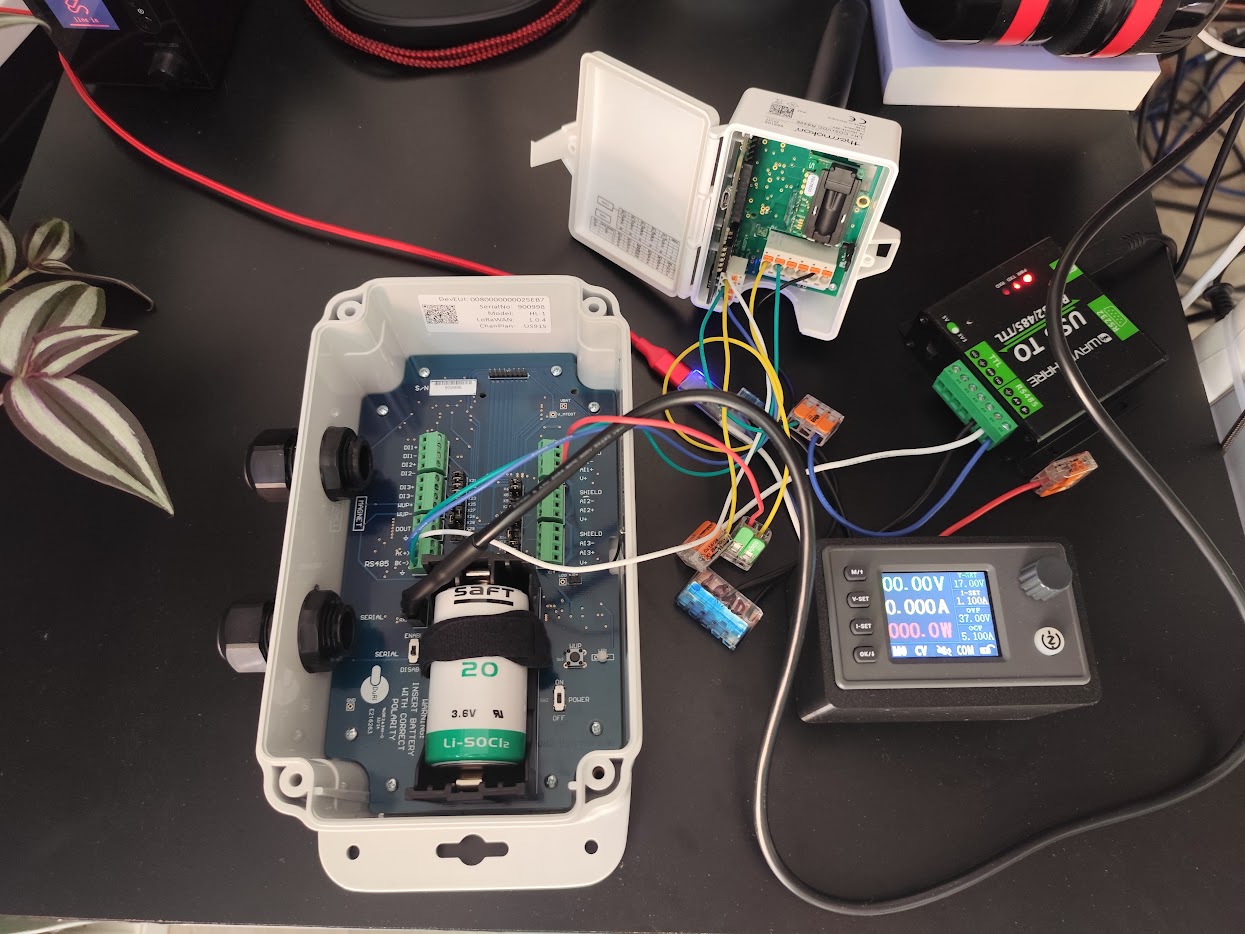
Cold is hard on batteries. Lithium cells lose capacity at low temperature, so a sensor rated for years at 25°C can shed 30-50% of its runtime in a -20°C freezer; plan replacement schedules around that or use mains power where practical. Chemistry helps, lithium thionyl chloride (LiSOCl2) holds up in the cold far better than standard lithium-ion, so specify sensors rated for the actual operating temperature rather than assuming room-temperature figures apply. In many facilities, pharmaceutical warehouses, hospital pharmacies, food distribution centres, mains power simply makes more sense: it eliminates both the replacement logistics and the cold-capacity penalty while keeping a battery backup for power-failure detection, and LoRaWAN sensors with USB or DC input run indefinitely without giving up their wireless benefits. Solar is the exception that catches people out: it works on an outdoor refrigerated container but is useless inside a windowless cold room or walk-in freezer, so understand the environment before specifying it.
Cold Chain in Transit
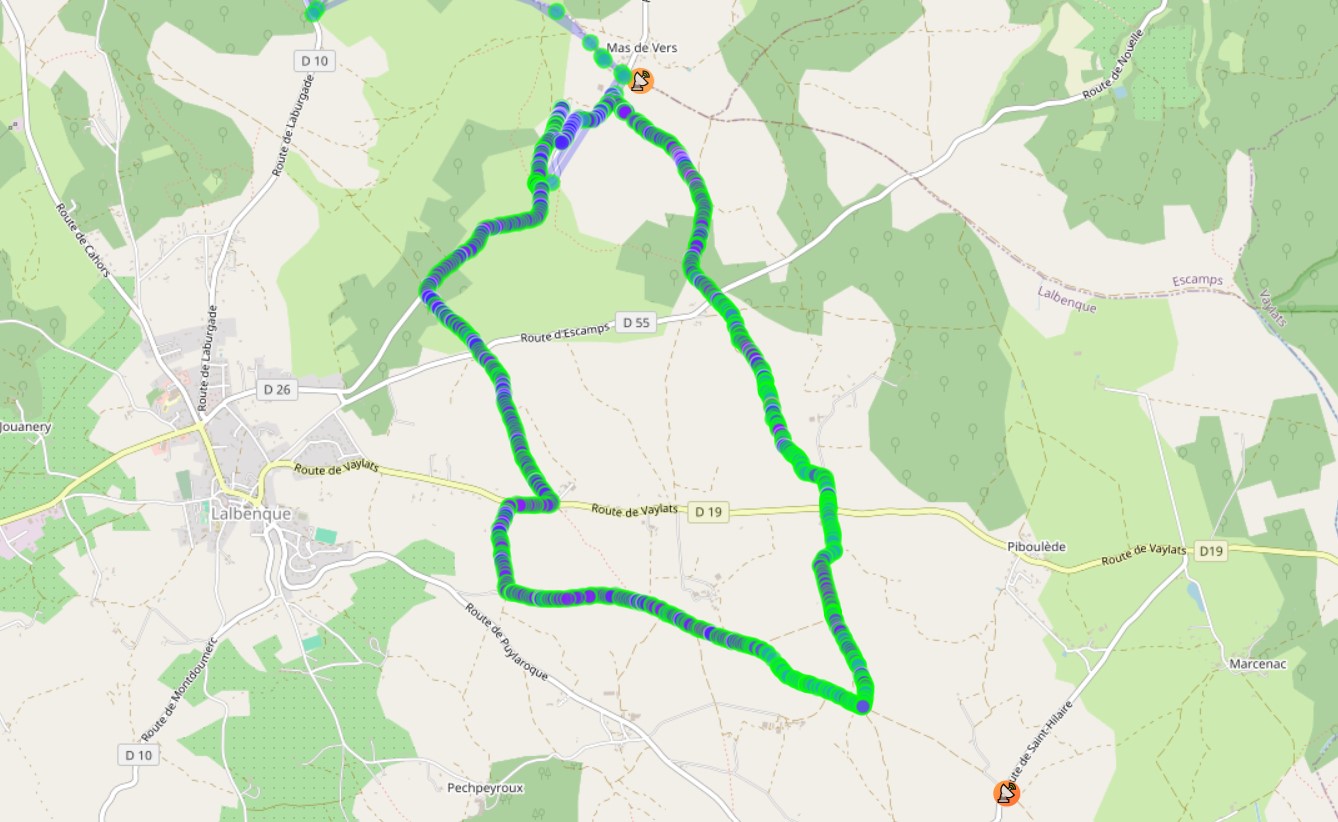
Monitoring doesn't stop at the loading dock. Trucks, vans, and trailers carrying pharmaceuticals or perishables need coverage throughout transit, and since LoRaWAN gateways along a route can be sparse, devices buffer readings during connectivity gaps and transmit the accumulated data when a gateway comes into range; cellular backup fills coverage beyond LoRaWAN infrastructure at higher cost and complexity. Pairing a GPS/GNSS tracker with a temperature sensor lets you follow a container's location alongside its thermal history, so an excursion can be correlated with a specific facility or handling event, a loading delay in hot weather, a refrigeration failure at one terminal, inadequate pre-cooling before loading. That matters most on the last mile, vaccine to clinics, pharmaceuticals to pharmacies, meals to doorsteps, where insulated containers with battery-powered monitors confirm the product stayed in spec right to delivery, and on multi-modal shipments crossing ocean, rail, trucking, and final delivery, where continuous monitoring across every handoff pinpoints exactly which carrier, terminal, or procedure broke the chain.
Tying It Into Quality and Inventory Systems
Monitoring earns its keep when it connects to the systems that run the business. Link temperature data to inventory management and an excursion can automatically flag the affected lots, open an investigation, and place a hold that prevents distribution of potentially compromised product, updating status from real environmental data rather than a manual process. Reporting follows the same logic: daily temperature logs, excursion summaries, and trend analysis compile straight from the monitoring system and export in whatever form your documentation demands. Slot it into existing quality workflows so deviations trigger investigation workflows and every issue is tracked from detection to resolution with a complete audit trail. And in clinical settings, integration with a laboratory information system ties storage conditions to individual specimens, automatically flagging any sample exposed to an excursion so compromised specimens don't produce invalid results.
What It Looks Like in the Field
A hospital pharmacy stores high-value pharmaceuticals under tight control, with vaccine refrigerators held at 2-8°C for immunization programs; multiple sensors per fridge plus backups in surrounding areas provide redundancy, and integration with the hospital BMS and pharmacy systems centralizes monitoring so alerts reach both pharmacy staff and facilities for a fast response.
A food distribution warehouse runs zone-based monitoring across areas at different temperatures, frozen goods, refrigerated produce, temperature-controlled dry goods, tracking conditions through receiving, storage, and shipping and generating the reports customers require to prove an unbroken chain.
A pharmaceutical distribution centre, often a third-party logistics provider, handles client products with differing storage specs, so multi-zone monitoring with product-specific thresholds keeps each one right, and automated reports give manufacturers the documentation they need when auditing distributor performance.
A blood bank maintains separate compartments for whole blood, plasma, platelets, and frozen components, each at its own temperature; redundant sensors in critical storage plus ambient monitoring throughout the facility ensure coverage, and integration with the blood bank information system links conditions to specific units.
Designing the System
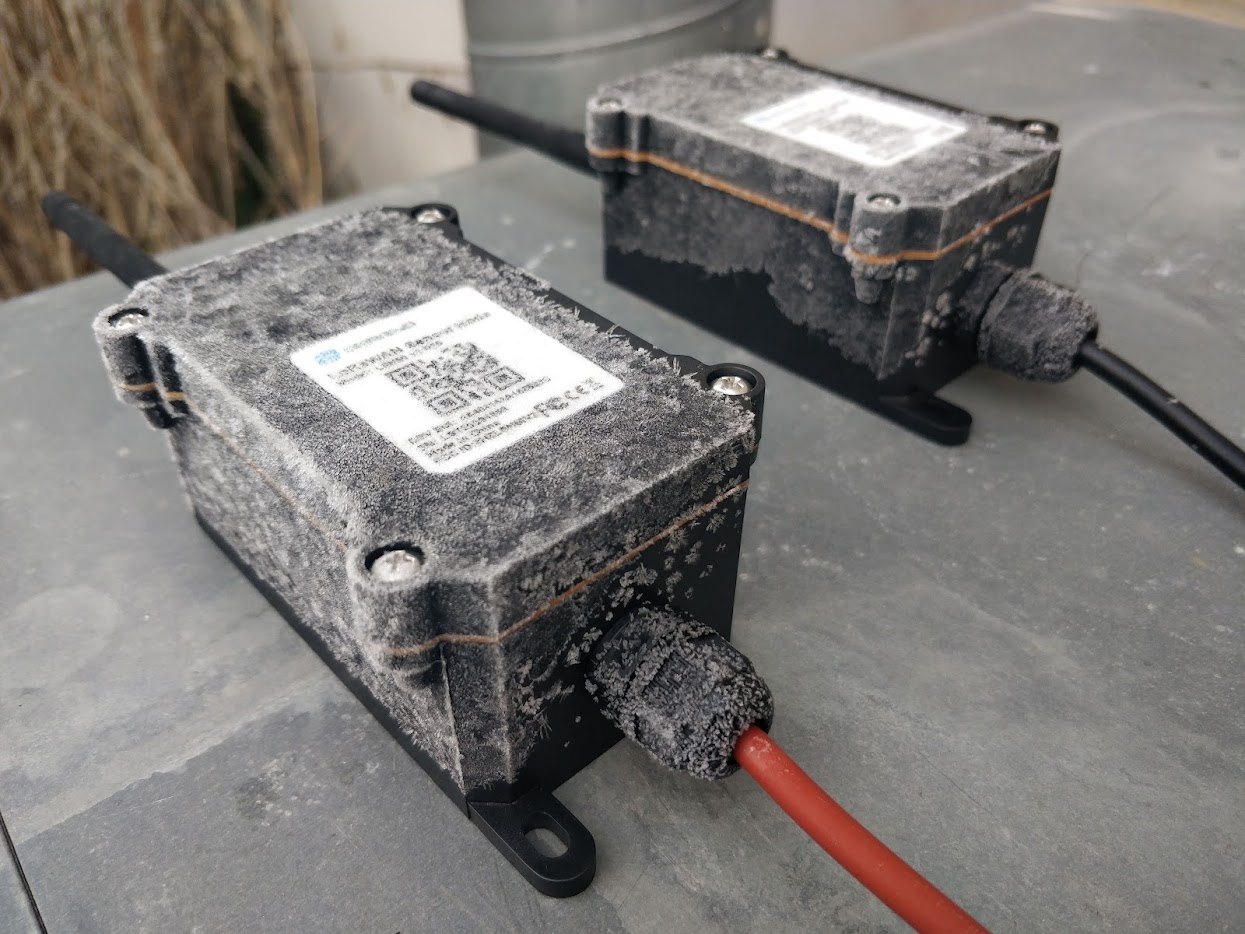
A few site realities shape the design. LoRaWAN penetrates refrigerator walls and cold-room insulation, but the thick metal of an industrial freezer is a genuinely hostile RF environment, so gateway placement needs a site survey that accounts for building materials and equipment interference; an external gateway may not reach sensors deep inside a large cold room, in which case an internal gateway or a well-placed external antenna solves it. Sensors themselves face condensation as warm humid air meets refrigerated space, so adequate ingress protection (IP65 or IP67) is essential, and condensation, ice, and cleaning routines all feed into durability requirements. Anything needing periodic calibration has to stay accessible for removal and reinstallation, which argues against burying it behind fixed equipment or deep in stacked inventory, so balance the ideal sensing spot against practical maintenance access. Finally, compliance-critical monitoring demands a reliable backend, redundant network servers, database replication, backup power, because downtime here creates documentation gaps that put both product safety and regulatory compliance at risk.
What I Provide
I design cold chain monitoring systems for pharmaceutical, food, and healthcare operations: sensor placement and coverage planning for cold storage facilities, network server configuration with the data logging and audit trails that compliance work demands, custom dashboards for live monitoring and reporting, and alert systems with proper escalation. Where you run ERP, inventory, or quality systems, the monitoring integrates with them, and your team gets trained to operate the system and read its data. At the end you own everything: the source code, the self-hosted infrastructure, the configuration, and the audit-trail and compliance report generators, with no ongoing platform fees.
I don't sell monitoring hardware or promote specific vendors. I analyze your cold chain requirements, facility characteristics, and operational needs, then design monitoring that provides reliable temperature visibility and automated alerts. The goal is preventing spoilage through practical monitoring, not maximum sensor density regardless of value.
Working on a LoRaWAN project?
If this article touches on something you're building, tell me about it. The first conversation is free, and you'll get an honest read on the right approach for your situation.
Book a Free ConsultationCurious what the finished thing looks like? Open the live demo dashboard