LoRaWAN Building Automation: Beyond Basic Metering
Why Buildings Need More Than Basic Metering
Most commercial buildings track electricity and water with sub-meters, and that data is worth having. But knowing a floor drew 5,000 kWh last month tells you the result, not the cause. It doesn't explain why, and it doesn't point at a fix.
Building automation with LoRaWAN sensors exposes the operational patterns behind the consumption. You find HVAC conditioning empty spaces, air quality problems forcing ventilation overrides, and leaks quietly wasting resources, and you optimize against actual occupancy and conditions instead of fixed schedules that assume every day is identical.
It also works where a traditional building management system is too expensive or simply impractical. You retrofit an existing structure without trenching for control wiring, reach spaces the BMS never covered, and expand coverage incrementally as budget allows rather than committing to a wholesale system replacement.
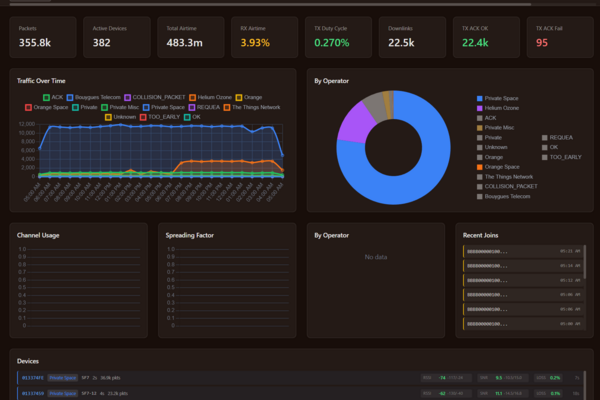
The demo dashboard is a building running this way. Room temperature and air quality, occupancy, doors, heating relays, ventilation, water and electricity meters, all on one page and all reporting live.
HVAC That Follows the People
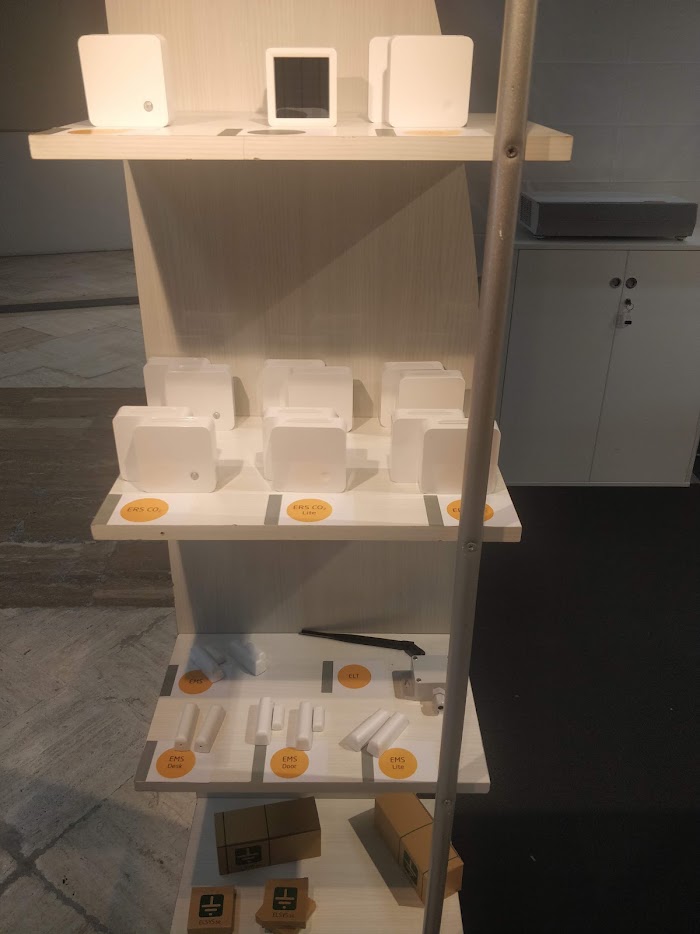
Most buildings run HVAC on a timer, conditioning from 6 AM to 6 PM whether anyone is there or not. A Monday-morning standup doesn't need the cooling of a Thursday-afternoon conference marathon, and a weekend spent working remotely burns energy keeping empty floors comfortable.
LoRaWAN occupancy sensors let the system respond to reality. PIR sensors catch movement to confirm presence, and CO2 sensors read occupancy by breathing, rising CO2 means people are in the room, stable or falling levels suggest it's empty; combining the two cancels out the false readings either gives on its own. From there the savings come in two forms. Setpoints relax in unoccupied zones, a few degrees of cooling given back in summer or heating in winter, while occupied areas stay comfortable, with temperature sensors throughout the building revealing the real conditions instead of an assumed uniform environment. And ventilation follows demand: low CO2 means few people, so fresh-air intake drops and you stop paying to heat or cool air nobody needs, while rising CO2 pushes ventilation up before anyone feels the room go stuffy. That demand-controlled approach saves substantially against a constant rate sized for a peak occupancy that rarely happens.
Granularity is where it pays off most. An open-plan floor or multi-room facility holds very different rhythms, meeting rooms pulse then empty, private offices hold steady through the day, common areas see constant traffic, so zone-level control matches energy to demand rather than treating a whole floor as one thing.
Air Quality and Ventilation
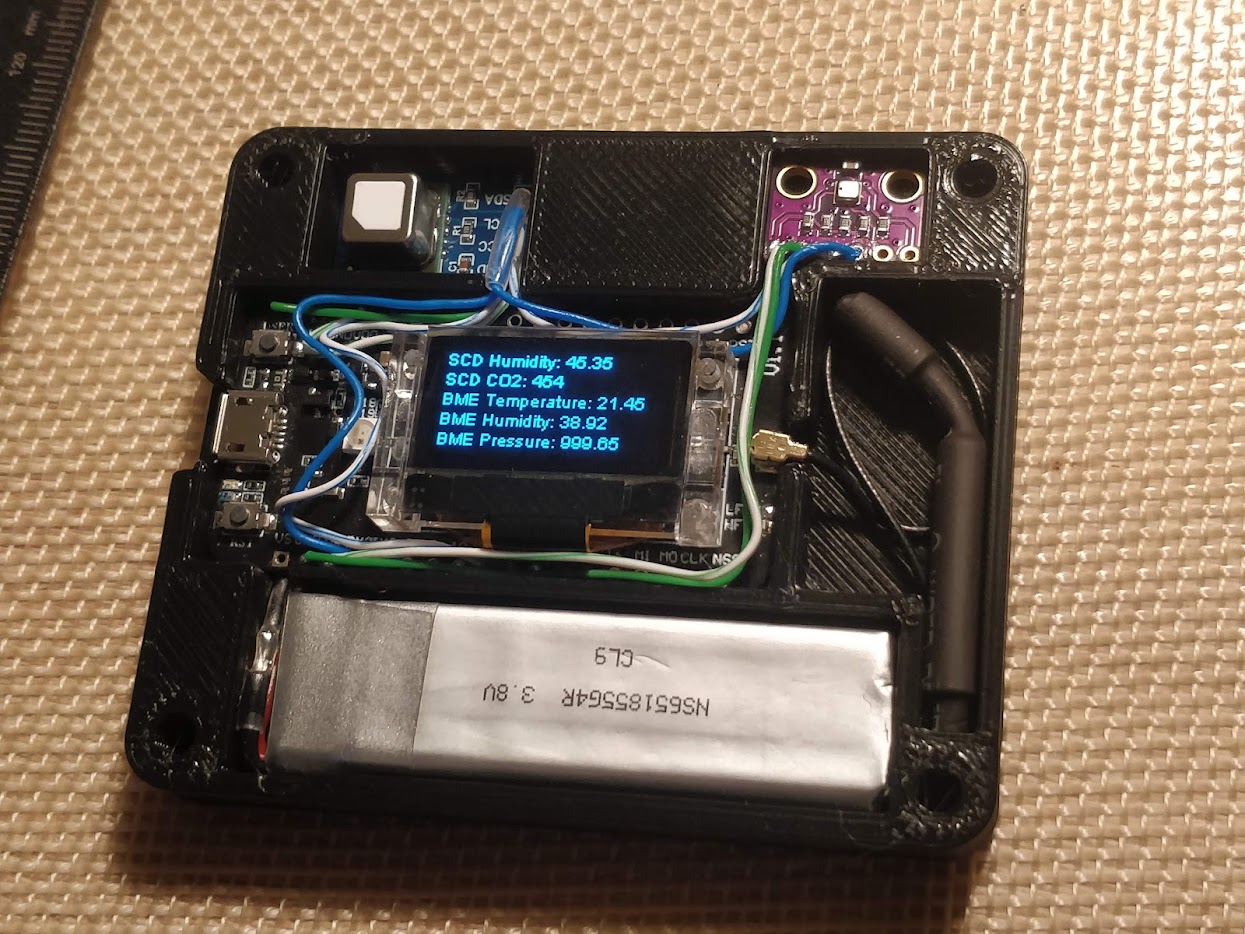
Poor indoor air quality is a productivity and health problem before it's a comfort one. High CO2 causes drowsiness and dulls cognition, VOCs from furnishings and cleaning products irritate occupants, particulates trigger respiratory issues, and humidity outside the right band invites mould or eases pathogen transmission.
A handful of sensor types cover it. CO2 tracks breathing-related quality, with comfortable levels generally under 1000 ppm. VOC sensors flag when organic-compound levels call for more ventilation. PM2.5 and PM10 sensors measure airborne particles from outdoor pollution or indoor sources. Temperature and humidity round out comfort and head off moisture problems. Wire those into the ventilation controls and the response becomes automatic: rising CO2 pulls in more outdoor air, a VOC spike from cleaning boosts exhaust, and during an outdoor pollution event the dampers close and the building leans on filtration instead, all before occupants notice anything. Because each space has its own profile, a kitchen throwing off VOCs and particulates, a conference room spiking CO2 in meetings, a process area with its own concerns, monitoring per zone lets you target ventilation there rather than over-ventilating the whole building for a worst case.
Catching Leaks Early
A small leak caught early is cheap; the same leak found late is not. Water seeping through ceiling tiles has usually been dripping for days from failed roofing or plumbing before any damage shows, a refrigerant leak erodes HVAC efficiency and eventually kills a compressor, and a compressed-air leak quietly runs the compressor harder to hold pressure.
Water leak sensors go where damage is expensive, under sinks, by water heaters, below condensate drains, along risers, in server rooms, and alert facility managers the moment they sense moisture, so a response in minutes stops water from spreading into adjacent spaces or soaking structure. Refrigerant sensors catch an HVAC leak before cooling capacity visibly drops, since gradual loss makes the system run longer to hit setpoint and burn more energy, enabling repair before compressor damage. On compressed-air systems, common in manufacturing, ultrasonic detectors find the audible hiss, but permanent monitoring of pressure, flow, and compressor runtime is what flags a new leak from rising cycling, and comparing current draw against an efficient baseline puts a number on the wasted energy.
Lighting That Isn't On for Nobody
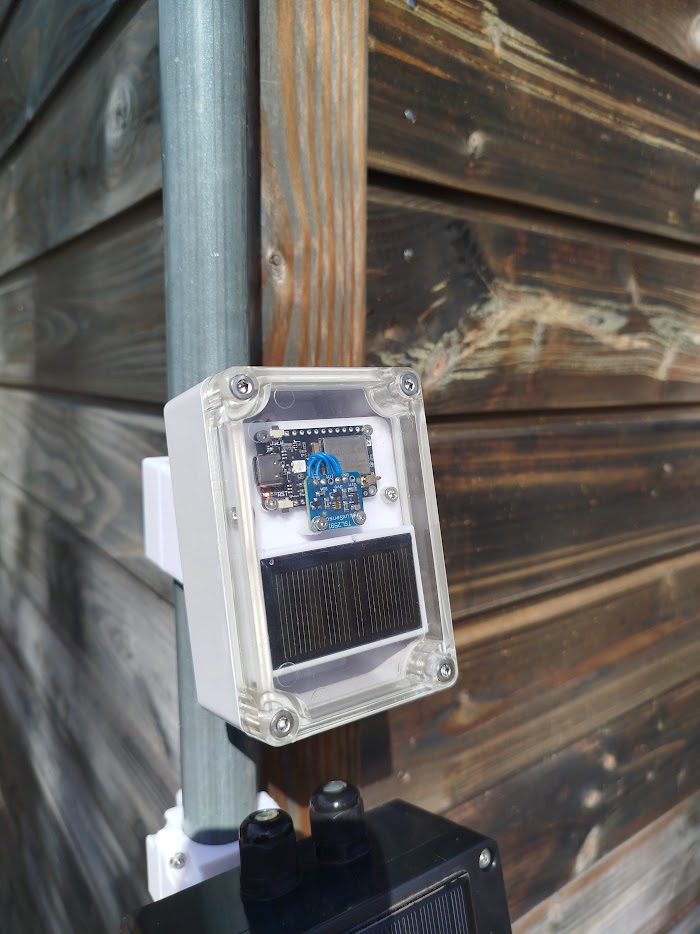
Lights burning in empty rooms are pure waste, perimeter zones lit through hours of good daylight, corridors and stairwells and storage at full brightness continuously, offices and meeting rooms dark most of the day yet lit all business hours. PIR sensors switch lights on as people arrive, and vacancy sensors switch them off after a room stays empty for a set period, typically 10 to 30 minutes depending on the space. Daylight harvesting adds another layer: light sensors measure natural illumination and dim or drop the electric lighting when the sun already does the job, which perimeter zones benefit from most, and gradual dimming as daylight rises keeps the level steady while cutting consumption. Tuning to the task finishes it, storage, corridors, and mechanical rooms function fine at reduced levels, so bright light goes only where the work is while ambient light stays lower elsewhere.
Working With an Existing BMS
Plenty of commercial buildings already run a BMS on BACnet, Modbus, or a vendor-specific network, and there's no reason to rip out functional controls. LoRaWAN extends them. The network server collects sensor data and forwards it to the BMS over a standard protocol, MQTT for lightweight pub/sub, REST for request/response, OPC UA for industrial settings, so the BMS consumes LoRaWAN readings as though they were native sensors. That makes a hybrid deployment natural: wired BMS-controlled equipment keeps executing control decisions while wireless LoRaWAN sensors monitor the spaces the BMS never reached, LoRaWAN providing the insight, the BMS acting on it, without a full replacement. Pull everything into one place, LoRaWAN sensors, BMS equipment, utility meters, weather data, and you can correlate occupancy with HVAC runtime, compare consumption before and after demand-controlled ventilation, and find opportunities in real operating data instead of design assumptions.
Multi-Tenant Buildings
Where HVAC, lighting, and utilities come bundled into leases, per-tenant visibility matters. Understanding each tenant's consumption enables fair cost allocation and surfaces the outliers, a tenant demanding extended HVAC hours or holding unusual conditions should carry that cost rather than spreading it across everyone. Shared spaces, lobbies, corridors, garages, amenities, consume regardless of who's in, so occupancy-based control trims the waste: dim corridors in quiet hours, ease garage ventilation when vehicle counts fall, and match lobby HVAC to real foot traffic instead of holding constant comfort for the occasional visitor. Zone monitoring also settles comfort disputes, since temperature sensors show actual conditions against perception and comparison between similar spaces reveals whether a complaint is an equipment fault or an expectation, turning a subjective argument into a data-backed conversation. And retrofitting all this into an occupied building is exactly where LoRaWAN shines: battery-powered sensors install without trenching through tenant space or pulling power to remote spots, and coverage grows incrementally without shutting the building down.
Energy Savings and ROI
The whole case rests on measurable reduction. Occupancy-based HVAC cuts heating and cooling load, demand-controlled ventilation lowers fan energy and the cost of conditioning outdoor air, occupancy lighting removes waste in vacant rooms, and leak detection both preserves efficiency and avoids water-damage bills. To prove it, establish a baseline from utility bills or interval metering, track patterns across seasons to account for weather, and compare post-implementation consumption against it so you see real savings, not just projections. Weigh the total system cost, sensors, gateways, installation, software, and integration, against annual savings; many commercial buildings reach payback within a few years on utility cost alone, before counting avoided water damage, fewer sick days from better air, and the tenant satisfaction that helps renewals. Treat it as iterative rather than one-and-done: the initial deployment delivers immediately, and continuous monitoring keeps surfacing the next setpoint to adjust, the next algorithm to refine, the next space worth covering.
What I Provide
I design building automation systems starting from the audit: an energy baseline so ROI is actually measurable, then sensor placement, integration with your existing BMS, network server and data pipeline setup, dashboards built for the facility managers who will use them, HVAC optimization based on real occupancy patterns, and alerting for leaks and equipment issues, with training for the people who run the building day to day. You own the source code, the self-hosted infrastructure, the documentation, and the control strategies, with no platform fees.
I don't sell building automation hardware or push specific vendors. I analyze your building, its consumption patterns, and your operational requirements, then design monitoring and control that delivers measurable improvements: practical energy savings and better comfort, not maximum sensor density for its own sake.
Working on a LoRaWAN project?
If this article touches on something you're building, tell me about it. The first conversation is free, and you'll get an honest read on the right approach for your situation.
Book a Free ConsultationCurious what the finished thing looks like? Open the live demo dashboard