LoRaWAN Livestock Tracking Systems
Why Track Livestock
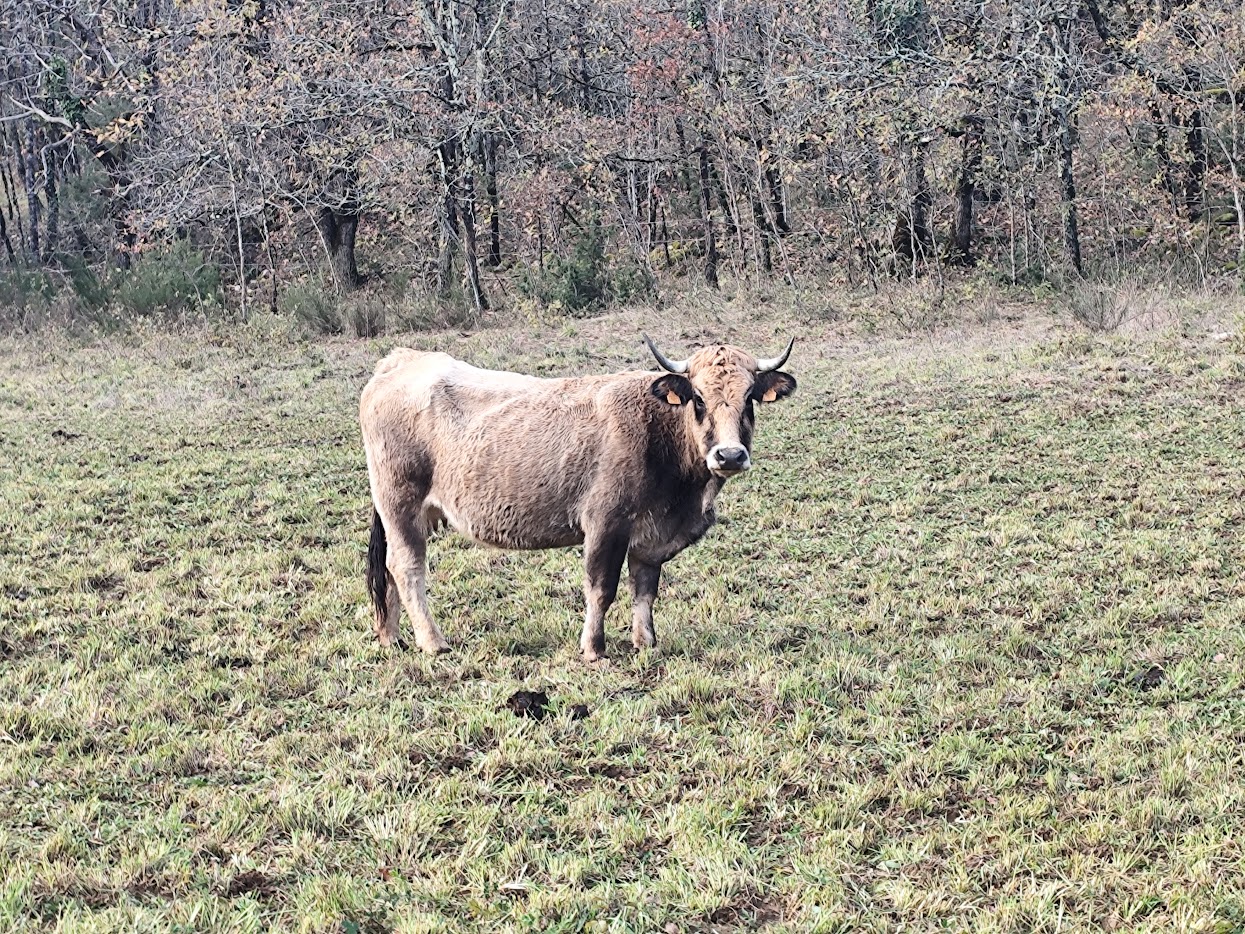
A rancher managing hundreds of cattle across thousands of hectares faces a simple problem: where are the animals right now? Riding out to check takes hours. Fences break without anyone noticing. By the time you discover a problem, it's already expensive.
LoRaWAN GPS/GNSS tracking changes this. You see where herds are grazing, spot animals that strayed through broken fences, and catch behavioral changes that signal health issues—all from a dashboard instead of a saddle.
The technology works because LoRaWAN provides the range needed for large properties—measured in kilometers, not meters—while GPS/GNSS handles positioning. Unlike cellular trackers that fail in remote areas or cost significant monthly fees per device, LoRaWAN operates on your own network with minimal recurring costs.
How LoRaWAN Livestock Tracking Works
GPS/GNSS positioning:
Devices use GPS/GNSS receivers to determine location coordinates from satellite constellations—GPS (US), GLONASS (Russian), Galileo (European), or BeiDou (Chinese). Multi-constellation receivers improve accuracy and reliability by tracking more satellites simultaneously. The positioning chip calculates coordinates from satellite signals, then the LoRaWAN radio transmits this location data to gateways on your property. Position accuracy depends on receiver quality and environmental conditions—open pastures provide cleaner satellite reception than dense forests or steep valleys.
LoRaWAN communication:
Once the device determines its position, it transmits coordinates via LoRaWAN to gateways installed at strategic points across your property. The gateway forwards data through internet backhaul (cellular, fiber, or satellite) to a network server, which routes it to your farm management software or custom dashboard. This architecture enables monitoring devices across properties spanning many square kilometers from a handful of gateway installations.
Power considerations:
Battery-powered trackers typically use primary lithium cells lasting months to years depending on transmission frequency and positioning usage patterns. Solar-charged variants add panels and rechargeable batteries, extending deployment duration indefinitely in locations with adequate sunlight. GPS/GNSS receivers consume significantly more power than the LoRaWAN radio—minimizing position fixes per day directly impacts battery longevity.
Device Types and Deployment Options
Compact card trackers:
Credit card-sized trackers like the SenseCAP T1000-E LoRaWAN edition provide a versatile alternative to traditional ear tags or collars. At 85 × 55 × 6.5 mm and 32g, these devices pack GPS/GNSS positioning (Mediatek AG3335), LoRaWAN communication (Semtech LR1110 supporting 863-928 MHz), and Bluetooth connectivity (Nordic nRF52840) into a compact waterproof package (IP65 rated). The 700mAh rechargeable battery with USB magnetic charging eliminates battery replacement logistics. Built-in sensors include temperature monitoring (-20 to +60°C with ±1°C accuracy), light detection, and 3-axis accelerometer for movement analysis. Operating temperature range from -20 to +60°C suits most livestock environments. These devices work with custom firmware implementations, enabling tailored behavior for specific tracking requirements beyond standard configurations.
Ear tag trackers:
GPS/GNSS ear tags attach to livestock ears like traditional identification tags. Compact form factor suits cattle, sheep, and similar animals. Devices include positioning receiver, LoRaWAN radio, battery, and sometimes accelerometer for activity monitoring. Waterproof and ruggedized construction withstands outdoor conditions. Battery replacement or recharging depends on model—some use replaceable cells, others solar charging.
Collar trackers:
Collar-mounted devices provide larger battery capacity and solar panel integration options. Better suited for animals where ear tags prove impractical or where extended battery life justifies the larger form factor. Collars accommodate additional sensors—temperature for health monitoring, accelerometer for movement analysis, even rumination sensors for cattle.
Beacon trackers:
Simpler LoRaWAN beacons without positioning receivers work for proximity detection at fixed locations like feeding stations or water points. Lower cost and extended battery life compared to GPS/GNSS trackers, but only confirm presence at known locations rather than continuous position tracking.
Real-World Range and Coverage
LoRaWAN range depends heavily on terrain. Manufacturers quote impressive maximum ranges—often claiming coverage measured in double-digit kilometers—but real deployments see different results.
Flat, open pasture:
Best-case scenario. Gateway visibility across kilometers of grassland enables reliable communication. Livestock trackers reporting positions every few hours operate successfully when line-of-sight exists between device and gateway. Gateway placement on elevated positions—hills, buildings, tall masts—extends coverage significantly.
Hilly or mountainous terrain:
Valleys block signals between trackers on one side of a ridge and gateways on the other. Coverage mapping before deployment identifies dead zones requiring additional gateway installations. Animals grazing in valleys may lose connectivity temporarily until moving to higher ground. Multiple gateways positioned strategically provide overlapping coverage reducing blind spots.
Forested areas:
Tree canopy attenuates LoRaWAN signals. Dense forest reduces effective range compared to open terrain. GPS/GNSS accuracy also degrades under tree cover—satellites require clear sky visibility for optimal positioning. Consider this when deploying livestock tracking in forested grazing areas or wooded pastures.
Practical deployment:
Field testing with trackers before full-scale deployment reveals actual coverage. Walk or drive property boundaries with test devices, logging successful transmissions and identifying areas requiring additional gateways. Plan for overlapping gateway coverage rather than pushing maximum range limits—reliability matters more than minimizing gateway count.
Geofencing and Alert Systems
Virtual boundaries:
Software defines geographic boundaries—property lines, pasture zones, restricted areas, or custom polygons. When tracked animals cross these virtual fences, the system triggers alerts. Define multiple fence types: property boundary alerts for escaped animals, pasture rotation zones for grazing management, or exclusion areas protecting sensitive land.
Alert delivery:
Notifications reach farm managers through multiple channels. SMS alerts provide immediate notification regardless of internet access. Email suits less urgent notifications or daily summary reports. Mobile app push notifications work when managers carry smartphones. Dashboard alerts integrate with farm management software for centralized monitoring.
Response time:
Alert speed depends on device transmission intervals. Trackers reporting position every hour detect fence breaches within an hour of occurrence. More frequent transmission intervals—every 15 or 30 minutes—catch escapes faster but drain batteries quicker. Balance detection speed against battery longevity and operational needs.
Horse Tracking: High-Value Animal Monitoring
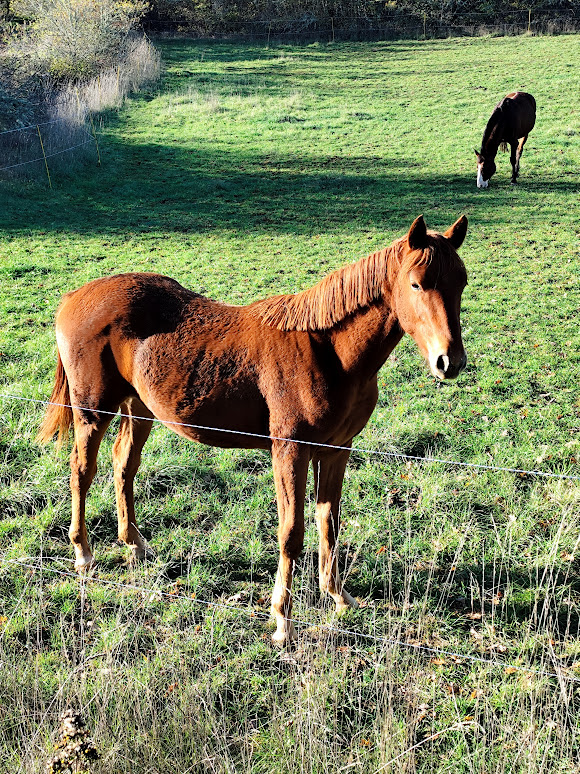
Horse tracking demands different considerations than cattle or sheep monitoring. Individual horses carry significantly higher value—performance horses, breeding stallions, or competition animals justify per-animal tracking costs that make less sense for commodity livestock. Owners need both location tracking for theft prevention and activity monitoring for training and health management.
Theft prevention:
High-value horses attract thieves. Real-time location tracking with geofencing alerts enables immediate response when horses leave designated areas. Unlike cattle operations checking herds periodically, horse owners expect instant notification if animals move unexpectedly. Fast position update intervals—every 15-30 minutes rather than hours—provide adequate theft detection while managing battery consumption.
Training and performance:
Tracking devices monitoring distance traveled, speed patterns, and movement intensity support training programs. Compare daily activity levels across weeks or months. Detect when horses receive insufficient exercise or show unusual activity patterns indicating discomfort. Temperature monitoring catches early signs of stress or illness during training or competition.
Pasture rotation and grazing:
Horses confined to smaller paddocks than cattle make geofencing more practical. Monitor which pasture areas horses prefer and rotate accordingly. Track time spent grazing versus standing or resting. Multiple horses in a group show clear patterns—dominant animals control preferred grazing areas, subordinate horses avoid conflict.
Boarding facilities and riding schools:
Multi-horse operations tracking dozens of animals across multiple paddocks need reliable identification and location data. When clients ask "where's my horse?", staff check dashboards instead of walking property. Automated detection of unusual behavior—isolated animals, fence line pacing, or extended stationary periods—alerts staff to potential issues.
Device mounting:
Compact card trackers like the SenseCAP T1000-E work in custom pouches attached to halters or integrated into breakaway safety collars. Weatherproof IP65 construction withstands outdoor conditions. Rechargeable batteries suit daily handling routines where horses come in for feeding or stabling—charge devices during stabling periods rather than relying on months of battery life required for free-range cattle.
Behavioral Monitoring and Health Indicators
Movement analysis:
Accelerometer data reveals activity patterns. Reduced movement suggests illness or injury. Unusual pacing patterns indicate stress or discomfort. Extended stationary periods might signal calving or health emergencies. Movement analysis combined with location data identifies animals requiring attention before visible symptoms appear.
Grazing patterns:
Tracking data shows which pasture areas animals prefer and which they avoid. Overgrazing concentrates in preferred areas while underutilized zones go to waste. Rotation management improves when based on actual grazing behavior rather than assumptions. Optimize pasture utilization by understanding real animal movement rather than following fixed schedules.
Group behavior:
Herd animals naturally congregate. Trackers showing individual animals separated from the group warrant investigation—predator encounters, injury, or illness causes isolation from herds. Automated detection of isolated animals enables faster intervention.
Temperature monitoring:
Some trackers include body temperature sensors. Fever detection catches illness early. Consistent temperature monitoring during calving season alerts to complications. Temperature data combined with movement and location patterns provides comprehensive health status.
Integration with Farm Management Systems
Data export:
Most tracking platforms provide API access or data export functionality. CSV exports work for offline analysis in spreadsheets. JSON APIs enable integration with custom software. MQTT or HTTP webhooks push real-time data to farm management platforms automatically.
Livestock databases:
Integrate tracking data with existing animal records. Link GPS positions to individual animal IDs, health records, breeding history, and production data. Centralized databases combine location tracking with comprehensive livestock management information.
Grazing management software:
Specialized platforms combine tracking data with pasture management tools. Calculate grazing pressure across different pasture zones. Schedule rotations based on actual animal distribution rather than fixed calendars. Track how long different pastures remain ungrazed allowing recovery.
Financial tracking:
Location and movement data feeds into economic analysis. Calculate grazing days per pasture. Attribute feed costs to specific animal groups. Track search time savings versus traditional methods. Measure theft prevention value through faster detection.
Common Deployment Challenges
GPS/GNSS cold start time:
When trackers power on positioning receivers after extended sleep, satellites take time to acquire—sometimes minutes in difficult conditions. Cold starts consume more power than warm starts with recent satellite data. Frequent small position updates prove more power-efficient than infrequent long acquisition sessions.
Battery life versus update frequency:
Fundamental tradeoff. Daily position reports extend battery life to years. Hourly updates drain batteries within months. Positioning receiver acquisition dominates power consumption—LoRaWAN transmission costs comparatively little. Most deployments settle on position reports every few hours as a practical compromise.
Gateway placement:
Rural properties often lack electricity at optimal gateway locations. Solar-powered gateways with battery backup enable installation at elevated positions without grid power. Cellular backhaul provides internet connectivity where wired broadband doesn't reach. Plan for maintenance access—solar panels require occasional cleaning, batteries eventual replacement.
Device cost versus herd size:
Economics matter. Tracking every animal in a large herd proves expensive. Many operations track selected animals—breeding bulls, high-value individuals, boundary patrollers naturally found at property edges. These sentinel animals indicate overall herd location and detect fence breaches while reducing per-head device costs.
Rough handling:
Livestock aren't gentle with equipment. Ear tags tear out. Collars break. Devices get crushed, submerged, or stepped on. Ruggedized construction reduces failures but doesn't eliminate them. Budget for device replacement and repair as ongoing operational costs.
Network Architecture Considerations
Gateway density:
Large properties require multiple gateways for full coverage. Calculate gateway count based on terrain and required reliability. Overlapping coverage provides redundancy—animals near coverage boundaries might connect to multiple gateways simultaneously, with the network server selecting the best reception.
Backhaul options:
Gateways need internet connectivity. Wired ethernet works near buildings with infrastructure. Cellular modems suit remote installations—4G/LTE provides adequate bandwidth for LoRaWAN gateway traffic. Satellite internet enables deployment in areas beyond terrestrial coverage, though cost and latency considerations apply.
Network server deployment:
Self-hosted options like ChirpStack provide full control without per-device fees. Hosted platforms offer managed services at monthly costs. For livestock tracking, self-hosted infrastructure typically makes economic sense—hundreds or thousands of devices generate significant recurring fees on managed platforms while self-hosting scales affordably.
Data storage:
Time-series databases efficiently store position reports. InfluxDB handles location data, movement metrics, and sensor readings. PostgreSQL with PostGIS extensions adds geospatial query capabilities. Retention policies balance storage costs against historical analysis needs—detailed recent data, aggregated historical records.
What I Provide
Services:
- Livestock tracking system design and deployment planning
- Gateway placement analysis based on property terrain and coverage requirements
- Hardware specification and sourcing guidance for GPS trackers and gateways
- Network server setup and configuration (ChirpStack or custom platforms)
- Geofencing and alert rule implementation
- Integration with farm management software and livestock databases
- Dashboard development for real-time monitoring and historical analysis
- Training on system operation and maintenance
You own everything:
- Complete source code for custom integrations and data processing
- Self-hosted network infrastructure (database, network server, dashboards)
- All configuration files and deployment documentation
- Geofencing rules and alert configurations
- No ongoing per-device platform fees or vendor lock-in
Hardware (you source):
- GPS/GNSS tracking devices (ear tags, collars, or beacons based on application)
- LoRaWAN gateways with appropriate backhaul connectivity
- Server infrastructure (on-premise or cloud hosting)
- Solar power systems for remote gateway installations
I don't sell tracking devices or push specific hardware brands. I evaluate your property size, terrain, animal types, and operational requirements—then recommend appropriate tracking solutions and build the network infrastructure that makes them work reliably. The goal is practical livestock monitoring that solves real operational problems, not showcasing maximum-spec technology that fails in actual field conditions.
Ready to Get Started?
Get expert guidance on implementing LoRaWAN solutions for your organization.
Let's Talk