LoRaWAN Cold Chain Monitoring: Pharmaceuticals and Food Safety
Why Cold Chain Monitoring Matters
Vaccines lose potency outside narrow temperature ranges. Pharmaceutical products degrade when exposed to heat or freezing. Frozen food thaws and refreezes, creating safety risks and quality degradation invisible to end consumers. Blood products become unusable after temperature excursions. The economic impact extends beyond lost inventory—product recalls, liability claims, and wasted resources make temperature control failures expensive.
Manual temperature logging creates gaps where problems hide. The technician checks at 9am and 5pm; the compressor fails at midnight. Door seals degrade gradually, letting warm air seep in between spot checks. Paper logs get transcribed with errors, and finding the problem after spoilage doesn't save the inventory.
Continuous automated monitoring using LoRaWAN sensors provides real-time visibility into cold storage conditions. Detect equipment failures within minutes rather than discovering spoiled inventory hours later. Generate automatic audit trails instead of relying on manual documentation. Alert responsible staff immediately when temperatures drift outside acceptable ranges, enabling corrective action before products reach dangerous conditions.
Temperature and Humidity Monitoring Fundamentals
Temperature sensor accuracy requirements:
Different products demand different accuracy levels. Vaccines often require storage within 2-8°C with ±0.5°C accuracy. Frozen pharmaceuticals need -20°C or colder. Refrigerated food typically operates at 0-4°C. Blood banks maintain specific compartment temperatures. Understanding product requirements drives sensor selection—highly accurate calibrated sensors cost more than general-purpose temperature monitors, but regulatory compliance or product safety may mandate that precision.
Sensor placement strategy:
Single sensors don't capture thermal gradients inside refrigerators, freezers, or cold rooms. Warm spots near doors differ from cold zones near evaporators. Top shelves often run warmer than bottom shelves. Multiple sensors throughout storage spaces reveal actual temperature distribution rather than assuming uniform conditions. Critical storage—vaccine refrigerators, blood banks, pharmaceutical warehouses—benefits from redundant sensors detecting localized failures that single-point monitoring misses.
Humidity monitoring:
Some pharmaceutical products absorb moisture, degrading efficacy. Others require specific humidity ranges for stability. Freeze dryers and climate-controlled warehouses maintain precise humidity alongside temperature control. Humidity sensors integrated with temperature monitors provide comprehensive environmental visibility, particularly for products sensitive to both parameters.
Data logging intervals:
Different applications need different logging frequencies. Critical pharmaceutical storage might log temperatures every few minutes. Food storage may accept longer intervals. Balance monitoring frequency against battery life and data storage—more frequent logging provides finer resolution but generates larger datasets and drains batteries faster. Critical applications justify frequent logging and mains-powered sensors; lower-risk monitoring accepts longer intervals and battery operation.
Alert Systems and Response Protocols
Temperature threshold alerts:
Define acceptable ranges for each monitored space. Low-priority alerts warn of minor deviations—temperatures approaching limits but not yet critical. High-priority alerts trigger immediately when products enter danger zones. Different products in the same facility may have different thresholds—vaccines versus frozen food versus refrigerated produce—requiring zone-specific configuration.
Escalation procedures:
Initial alerts notify primary contacts via SMS, email, or push notifications. If alerts aren't acknowledged within defined timeframes, escalate to backup personnel. Continue escalating through contact lists until someone responds. After-hours emergencies shouldn't wait for business hours—escalation ensures critical failures receive immediate attention regardless of time or day.
Door monitoring:
Cold room and freezer doors left open cause rapid temperature rises. Magnetic contact sensors detect door state. Generate alerts when doors remain open beyond normal access periods—two minutes for walk-in coolers, five minutes for warehouses. Combine door sensors with temperature monitors to distinguish equipment failures from door-related incidents.
Power failure detection:
Refrigeration equipment stops during power outages. Temperature monitoring systems on battery backup continue operating when mains power fails. Immediate alerts enable emergency response—transferring inventory to backup storage, deploying generators, or prioritizing equipment repairs. Detect power failures before temperature rises threaten products.
Equipment malfunction indicators:
Gradual temperature rise suggests refrigeration system degradation—failing compressors, refrigerant leaks, or condenser problems. Alert maintenance teams to investigate before complete failures occur. Predictive alerts based on temperature trends enable scheduled maintenance rather than emergency repairs after inventory loss.
Battery Life in Cold Environments
Cold temperature battery performance:
Lithium batteries lose capacity at low temperatures. Battery-powered sensors in -20°C freezers experience significantly reduced runtime compared to room temperature operation. Manufacturers specify battery life under standard conditions (typically 25°C)—expect 30-50% reduction in freezer environments. Plan battery replacement schedules accordingly or use mains-powered sensors where practical.
Battery chemistry selection:
Some lithium chemistries tolerate cold better than others. Lithium thionyl chloride (LiSOCl2) batteries maintain capacity at low temperatures better than standard lithium-ion cells. Specify sensors rated for actual operating temperatures rather than assuming room temperature performance applies everywhere.
Mains-powered options:
Pharmaceutical warehouses, hospital pharmacies, and food distribution centers often justify mains-powered monitoring. Eliminate battery replacement logistics and cold-temperature capacity degradation. Retain battery backup for power failure monitoring. LoRaWAN sensors with USB or DC power inputs operate indefinitely while maintaining wireless connectivity benefits.
Solar charging limitations:
Solar-powered sensors work outdoors but fail inside windowless cold rooms. Refrigerated containers on outdoor yards might use solar power, but warehouses and walk-in freezers require battery or mains power. Understand environment before specifying solar solutions.
Cold Chain Logistics and Transportation
Refrigerated vehicle monitoring:
Trucks, vans, and trailers transporting pharmaceuticals or perishables need temperature monitoring throughout transit. LoRaWAN coverage along routes may be sparse—devices buffer readings during connectivity gaps, transmitting accumulated data when gateways become available. Cellular backup provides coverage outside LoRaWAN infrastructure, though at higher cost and complexity.
Shipping container monitoring:
GPS/GNSS trackers combined with temperature sensors monitor containers moving through supply chains. Track location alongside thermal conditions. Correlate temperature excursions with specific facilities or handling events. Identify where problems occur—loading delays in hot weather, refrigeration failures at specific terminals, or inadequate pre-cooling before loading.
Last-mile delivery:
Vaccine distribution to clinics, pharmaceutical delivery to pharmacies, and meal delivery services require cold chain maintenance to customer doorsteps. Insulated containers with battery-powered monitors track conditions during final delivery segments. Generate delivery reports confirming products remained within specifications throughout transport.
Multi-modal transportation:
Shipments moving through multiple carriers—ocean freight, rail, trucking, final delivery—face handoff risks. Continuous monitoring across all segments identifies where cold chain breaks occur. Data shows whether problems stem from specific carriers, terminals, or handling procedures.
Integration with Quality Management Systems
ERP and inventory system integration:
Link temperature monitoring to inventory management. Automatically flag affected inventory lots when temperature excursions occur. Trigger investigations and quality assessments. Generate hold orders preventing distribution of potentially compromised products. Update inventory status based on environmental monitoring data rather than manual processes.
Automated reporting:
Generate reports directly from monitoring systems. Daily temperature logs, excursion summaries, and trend analysis compile automatically. Export data for whatever documentation or analysis your organization requires.
Quality system integration:
Integrate monitoring with existing quality management workflows. Temperature monitoring generates automatic records. Deviations trigger investigation workflows. Track issues from detection through resolution with complete audit trails.
Laboratory information systems (LIS):
Hospital blood banks and clinical laboratories running laboratory information systems need cold storage monitoring integrated with specimen tracking. Link sample storage conditions to individual specimens. Automatically flag specimens exposed to temperature excursions, preventing invalid test results from compromised samples.
Real-World Deployment Examples
Hospital pharmacy and vaccine storage:
Hospital pharmacies store high-value pharmaceuticals requiring precise temperature control. Vaccine refrigerators maintain 2-8°C for immunization programs. Multiple sensors in each refrigerator plus backup sensors in surrounding areas provide redundancy. Integration with hospital BMS and pharmacy management systems enables centralized monitoring. Automatic alerts to pharmacy staff and facilities management ensure rapid response to equipment failures.
Food distribution warehouses:
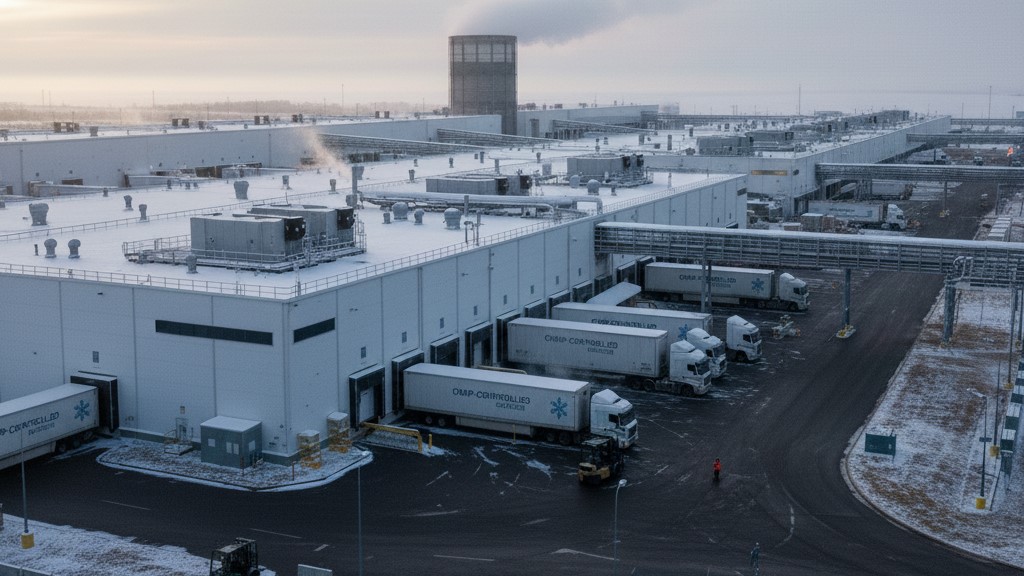
Refrigerated and frozen warehouses storing food products use zone-based monitoring. Different storage areas may operate at different temperatures—frozen goods, refrigerated produce, temperature-controlled dry goods. Track conditions throughout receiving, storage, and shipping processes. Generate reports documenting continuous cold chain maintenance for customer requirements.
Pharmaceutical distribution centers:
Third-party logistics providers handling pharmaceutical distribution need detailed temperature documentation. Client products may have different storage specifications. Multi-zone monitoring with product-specific thresholds ensures proper handling. Automated reports provide temperature documentation for pharmaceutical manufacturers auditing distributor performance.
Blood bank management:
Blood centers and hospital blood banks maintain multiple storage compartments for different blood products—whole blood, plasma, platelets, frozen components. Each product type requires specific temperatures. Redundant sensors in critical storage plus ambient monitoring throughout facilities ensure comprehensive coverage. Integration with blood bank information systems links storage conditions to specific units.
System Design Considerations
Gateway placement:
LoRaWAN signals penetrate refrigerator walls and cold room insulation, but thick metal walls in industrial freezers create challenging RF environments. Gateway placement requires site surveys considering building materials, refrigeration equipment interference, and coverage requirements. External gateways may struggle reaching sensors deep inside large cold rooms—internal gateways or strategically placed external antennas solve coverage problems.
Sensor ingress protection:
Cold storage environments generate condensation when warm humid air enters refrigerated spaces. Sensors need adequate ingress protection (IP65 or IP67 ratings) preventing moisture damage. Condensation accumulation, ice formation, and cleaning procedures all impact sensor durability requirements.
Calibration accessibility:
Sensors requiring periodic calibration need accessibility for removal and reinstallation. Sensors mounted deep inside stacked inventory or behind fixed equipment complicate calibration logistics. Balance optimal sensing locations against practical maintenance access.
Network server reliability:
Compliance-critical monitoring systems need reliable backend infrastructure. Redundant network servers, database replication, and backup power prevent monitoring system failures from creating documentation gaps. Downtime risks both product safety and regulatory compliance.
What I Provide
Services:
- Cold chain monitoring system design for pharmaceutical, food, and healthcare applications
- Sensor placement planning and coverage analysis for cold storage facilities
- Network server configuration with data logging and audit trail implementation
- Custom dashboard development for real-time monitoring and reporting
- Alert system design and escalation procedure configuration
- Integration with ERP, inventory management, and quality systems
- Training on system operation and data analysis
You own everything:
- Complete source code for integrations and compliance systems
- Self-hosted infrastructure (network server, database, dashboards)
- All configuration files and deployment documentation
- Audit trail and compliance report generators
- Alert rules and escalation configurations
- No ongoing platform fees or vendor lock-in
Hardware (you source):
- LoRaWAN temperature and humidity sensors (battery or mains-powered)
- Door contact sensors for cold room monitoring
- LoRaWAN gateways with appropriate facility coverage
- Server infrastructure (on-premise or cloud hosting)
- Calibration equipment and traceable standards
I don't sell monitoring hardware or promote specific vendors. I analyze your cold chain requirements, facility characteristics, and operational needs—then design monitoring systems that provide reliable temperature visibility and automated alerts. The goal is preventing spoilage through practical monitoring, not installing maximum sensor density regardless of value.
Ready to Get Started?
Get expert guidance on implementing LoRaWAN solutions for your organization.
Let's Talk